

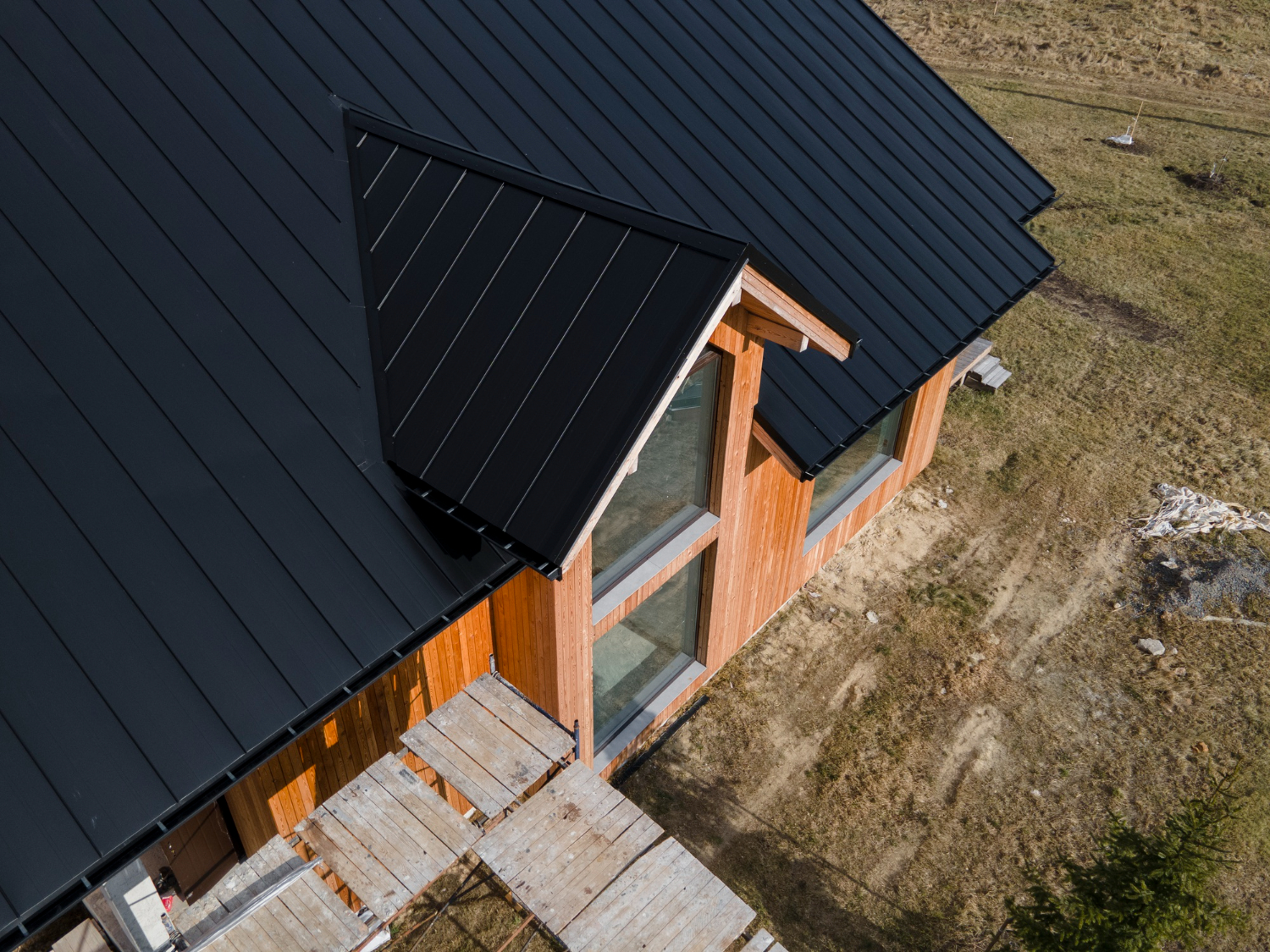
In the landscape of modern residential architecture, few trends have gained momentum as rapidly as the barndominium. Once a niche solution for rural landowners needing integrated storage and living quarters, the barndo has transitioned into a mainstream architectural powerhouse.
Combining the rugged durability of steel or post-frame construction with the refined aesthetics of a custom luxury home, barndominiums offer a unique value proposition of limitless space and total creative freedom.
The Anatomy of a Barndominium Layout
The primary advantage of a barndominium is the absence of interior load-bearing walls. Because the weight of the structure is supported by the exterior steel columns or heavy timber posts, the interior is a blank canvas. This allows for layouts that are often impossible in traditional homes.
The Great Room Anchor
Almost every successful barndo plan begins with the Great Room. In a traditional house, rooms are often segmented by hallways and doorways. In a barndominium, the kitchen, dining area, and living room usually occupy one massive, vaulted space. This hub creates a sense of scale that makes even a modest 1,500-square-foot barndo feel twice its size.
The Split-Wing Configuration
To maintain privacy within an open-concept structure, many designers utilize a split-wing floor plan. In this layout, the primary suite is situated on one side of the Great Room, while guest bedrooms, offices, or children’s rooms are located on the opposite side. This eliminates the need for long, dark hallways and ensures that the public spaces of the home act as a natural sound buffer between sleeping quarters.
Integrating the Shop
Perhaps the most iconic layout feature is the integrated workshop or garage. Many owners dedicate 30% to 50% of the total square footage to a high-ceilinged shop. When designing the floor plan, the placement of the man-door, which is the interior door connecting the house to the shop, is critical. Popular layouts place this door near a mudroom or utility zone to prevent the transfer of noise and odors.
Signature Features of Barndominium Plans
A barndominium is a specific style that leans into its industrial-meets-rustic roots. When browsing plans, look for these signature elements:
Massive Porches and Wraparounds
Because barndominiums are often built on large acreage, the floor plans emphasize outdoor living. Deep, covered porches, often wrapping around three or four sides of the building, are a staple. These provide crucial shade for the metal siding, helping to regulate interior temperatures during the summer.
Lofted Spaces and Mezzanines
With eave heights often reaching 16 to 20 feet, there is an incredible amount of vertical real estate. Many floor plans incorporate a second-story loft that overlooks the Great Room. These spaces are perfect for home offices, providing a quiet workspace that still feels connected to the home, game rooms to leverage the high ceilings for pool tables or home theaters, or extra guest seating.
Industrial-Scale Windows
To combat the metal box feel, barndo plans utilize oversized window packages. Clerestory windows, which are located high up near the roofline, are frequently used to bring natural light deep into the center of the floor plan, ensuring that even the internal kitchen island feels bright and airy.
Technical Considerations
Building a barndominium requires a different mental approach than a standard suburban home. Here are the technical realities you’ll encounter during the planning phase.
The Slab-First Workflow
Most barndominiums sit on a monolithic concrete slab. This means your plumbing and electrical roughs must be exactly where they belong before the foundation is poured. In a traditional home with a crawlspace, you have the luxury of moving a toilet or a sink later. In a barndo, your floor plan is literally set in stone early in the process. Accuracy in the design phase is paramount.
Insulation and Acoustics
Metal buildings can be loud during rainstorms and difficult to heat if not planned correctly. Modern plans prioritize spray foam insulation, which seals the envelope of the building. From a floor plan perspective, you should also consider acoustic treatments. Large, open spaces with hard floors can echo. Incorporating soft zones, like carpeted lofts or wood-accented walls, into your plan will help dampen sound.
HVAC Zoning
Heating and cooling a 20-foot-high Great Room is a different beast than cooling an 8-foot-high bedroom. Your floor plan should account for the placement of HVAC units or mini-split systems. Many owners opt for radiant floor heating, which is incredibly efficient for barndos, providing consistent warmth from the ground up.
Bringing Your Vision to Life With Immersive Homes
The beauty of a barndominium lies in its honesty, embracing a bold, industrial silhouette while offering interior customization that traditional methods simply cannot match. However, because technical details like slab plumbing and HVAC zoning are set in stone early on, you need a partner who can show you the finished product before the first steel beam is placed.
This is where Immersive Homes changes the game. Using proprietary VR technology, Immersive Homes allows you to virtually step inside your barndominium floor plans, experiencing the scale and natural light of your custom design on your actual build site before fabrication even begins.
If you’re ready to turn your blank canvas into a precision-engineered reality, connect with Immersive Homes today. Let us help you design a space where industrial strength meets unparalleled comfort, to create a home that is truly, deeply immersive.

.svg)