

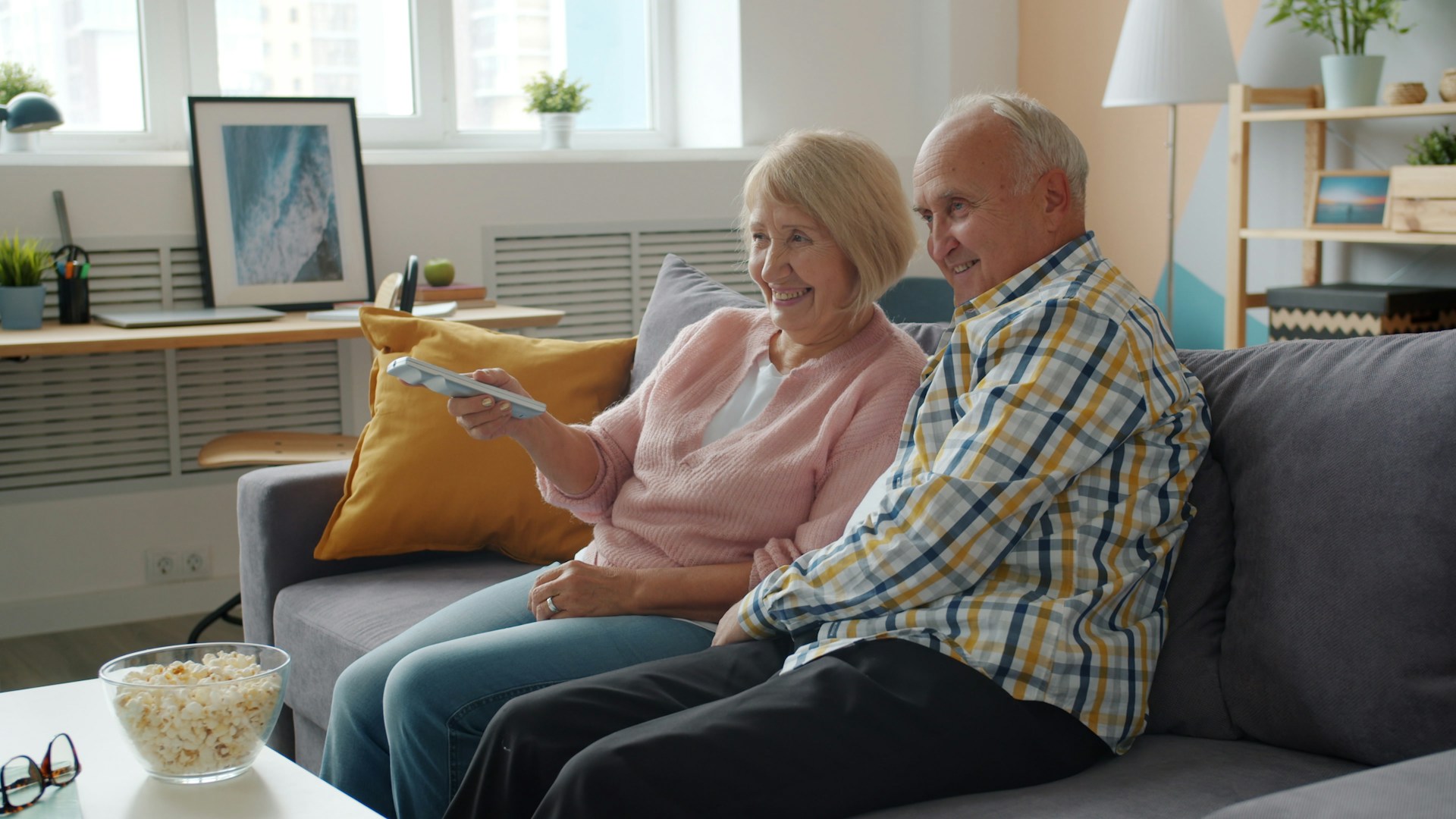
The concept of home is synonymous with comfort, security, and a sense of self. However, as we age, the physical spaces that once felt effortless can begin to present obstacles. Thoughtfully planning your future home with immersive design tools can prevent these obstacles before they arise. Aging-in-place home design, which is the ability to live in one's own home and community safely, independently, and comfortably, regardless of age or ability, has become the gold standard for senior living.
Designing for independent living isn’t about clinical aesthetics or hospital-grade equipment but about universal design. This philosophy creates environments that are inherently accessible to everyone, regardless of their physical condition. By future-proofing a home today, we ensure it remains a sanctuary for decades to come.
Entryways and Navigation
The transition from the world into the home should be seamless. For many seniors, the biggest barrier to independence is the threshold.
Traditional homes often feature at least one or two steps at every entrance. For someone using a cane, walker, or wheelchair, these are significant hazards. A zero-step entry ensures that at least one entrance, be it the front door, the garage, or a side porch, is flush with the exterior ground.
If the topography of the land doesn’t allow for this naturally, landscaped ramping is a beautiful solution. By using graded earth and stone paths, a ramp can look like a deliberate garden feature rather than a medical necessity.
Interior circulation is just as vital. Standard doorways are often 30 to 32 inches wide, which is too narrow for a wheelchair to pass through without scraping knuckles. Expanding doorways to 36 inches and ensuring hallways are at least 42 inches wide creates an open-concept feel that is also functional for mobility aids.
Ergonomic Kitchen
The kitchen is a place of creativity and nourishment, but it is also a room full of reaching, bending, and sharp objects. A senior-centric kitchen focuses on reducing the physical strain of daily tasks.
The days of kneeling on the floor to find a pot at the back of a dark cabinet should be over. Age-in-place home design replaces lower cabinets with deep pull-out drawers. These allow the user to bring the contents to them, rather than the user having to dive into the cabinet. Similarly, motorized upper cabinets that lower to counter height are becoming a popular high-tech solution for those with limited reach.
In a forever home, counter heights should be varied. While the standard 36-inch counter is fine for standing, incorporating a 30-inch work station allows someone to sit in a chair or stool while chopping vegetables or sorting mail. Under-counter knee space is also essential for those who may eventually transition to a wheelchair.
Appliances should be chosen for their safety features. Induction cooktops are the gold standard here, as they use magnetic fields to heat the pan directly, keeping the glass surface cool to the touch and virtually eliminating the risk of accidental burns. Furthermore, side-swing ovens prevent the user from having to lean over a hot, heavy door to reach their food.
“Wet Room” Bathroom
Statistically, the bathroom is the most dangerous room in the house for seniors due to the combination of hard surfaces and water.
The traditional tub-shower combo requires a step-over height of about 15 inches, which is a major tripping hazard. The solution is the curbless shower. By sloping the floor toward a linear drain, you eliminate the curb entirely. This allows for a seamless walk-in experience. Inside, a built-in bench and a handheld showerhead provide flexibility for those who prefer to bathe while seated.
Grab bars often carry a nursing home stigma, but modern designers have integrated them into high-end hardware, such as towel racks or toilet paper holders that are weight-rated for up to 500 lbs. Even if you don’t install the bars today, it is crucial to block the walls during a renovation. This involves installing 2x6 wood panels behind the drywall so that when bars are needed, they can be securely anchored anywhere in the room.
Lighting, Vision, and Cognitive Support
As we age, our eyes require more light to process the same amount of information, and our depth perception can begin to fail. A single overhead bulb creates harsh shadows.
A good age-in-place home design for independent living utilizes layered lighting, including ambient lighting with a general overhead light, task lighting with focused LED strips under cabinets for food prep, and accent lighting with low-level motion-sensor lighting along the baseboards to illuminate the path from the bedroom to the bathroom at night.
Color is a safety feature. Using high-contrast colors helps define boundaries. For example, a dark countertop against light-colored cabinets helps someone with declining vision see where the edge of the surface is. Similarly, a dark floor against a light wall helps with spatial orientation and balance.
Smart Home Technology
In 2026, technology is a vital tool for independent living. Systems like Google Home or Alexa allow seniors to control lights, adjust the thermostat, or lock doors without getting up. This is particularly helpful for those with mobility issues or chronic pain.
Smart sensors can detect if a stove has been left on or if a leak has started under the sink, sending an alert to the resident or a family member. Designing a dedicated wellness nook with high-speed connectivity and good lighting makes virtual doctor appointments easier and more effective.
Build Your Future With Immersive Homes
Perfecting aging-in-place home design requires vision. Immersive Homes revolutionizes this process by using cutting-edge Virtual Reality, allowing you to walk through and test your accessibility features before construction begins.
Our precision-engineered, steel-framed homes seamlessly integrate universal design with modern aesthetics, ensuring your space is as beautiful as it is functional. By choosing Immersive Homes, you are utilizing advanced technology to guarantee a safe, independent, and stylish sanctuary for all the years to come.