

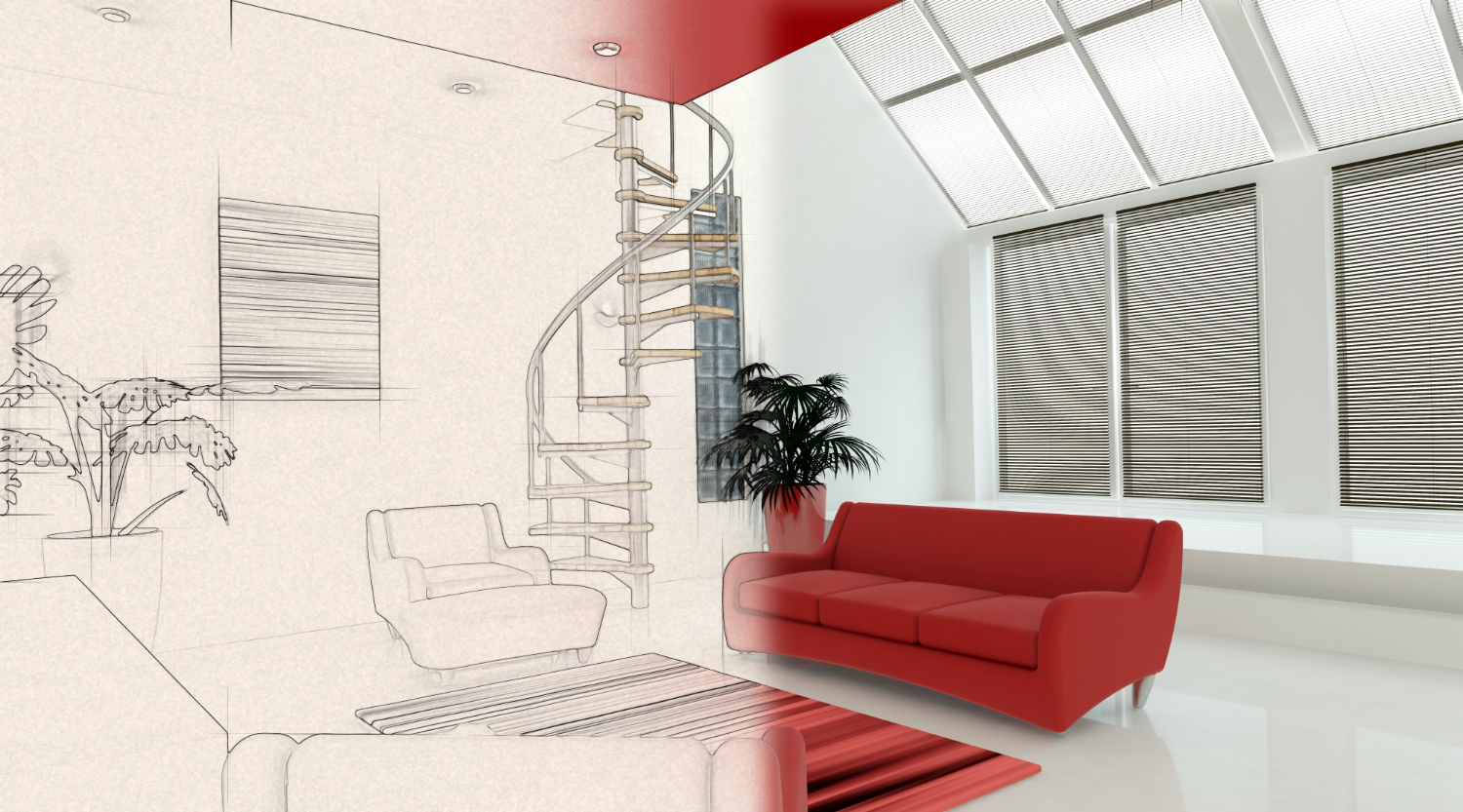
For decades, the purchase of a pre-construction property relied on a leap of faith. Buyers were required to interpret abstract, technical 2D blueprints, floor plans, and elevation drawings. All of that was a language often inaccessible to those outside of architecture or engineering.
This reliance on imagination often led to misunderstandings, disappointment, and a significant amount of buyer anxiety. Today, thanks to advances in digital visualization and modeling technology, the purchasing process has been fundamentally transformed.
3D model real estate tools, photorealistic renderings, and virtual reality (VR) tours are no longer luxury marketing tools. They’ve become essential, non-negotiable components that provide buyers with an unprecedented level of clarity, detail, and confidence long before the groundbreaking ceremony. 3D model real estate acts as a visual contract, turning complex technical specifications into an immersive, tangible reality.
Unlocking Spatial Understanding and Scale
The most significant hurdle in traditional pre-construction sales is the difficulty in translating flat drawings into real, habitable volume. 3D models obliterate this barrier.
Bridging the Plan-to-Reality Gap
A 2D floor plan offers dimensions and labels, but it fails to convey the feeling of a space. Will the kitchen feel expansive or cramped? Does the living room flow seamlessly into the dining area?
3D model real estate tools provide an immediate understanding of ceiling heights, window placements, and the overall verticality of a room. Buyers can visually confirm the airiness of a vaulted ceiling or the intimacy of a study, details that are ambiguous on a flat page.
By inserting realistic 3D furniture models, which is a technique often called Virtual Staging, the buyer can instantly gauge the practical scale of a room. This allows them to answer critical questions: Can my sectional sofa fit here? Is there enough space for a king-sized bed and two nightstands?
Detailing the Aesthetics
Beyond the structure itself, the final aesthetic, such as the materials and lighting, defines the character and value of the home. 3D models offer a high-fidelity preview of these critical details.
Photorealistic Material Accuracy
Developers invest heavily in ensuring the models accurately represent the specific finishes selected by the buyer or specified in the contract.
Buyers can see the difference between the matte finish of quartz countertops versus the glossy sheen of polished marble. They can observe the grain and texture of hardwood flooring, the grout lines in tile backsplashes, and the tactile nature of exterior stone or brickwork. This reduces specification anxiety and prevents disputes over final material choices.
Subtle differences in paint, cabinetry, or fixture colors are rendered accurately. This ensures the buyer’s vision for the overall color scheme is perfectly aligned with the builder’s execution.
Mastery of Natural and Artificial Illumination
Light is perhaps the single most important, yet intangible, element of design. 3D visualization technology can precisely simulate the movement of the sun across the property at any time of day, year, and geographical location.
Buyers can request renderings or animations that show how natural light streams into the main living areas during the morning, afternoon, and evening. This is vital for understanding the brightness and energy efficiency of the home.
The models demonstrate the effective use of artificial lighting, showing the mood created by recessed lighting, pendant fixtures, and under-cabinet lighting, giving the buyer a clear picture of the home’s nighttime ambiance.
Virtual Walkthroughs and VR
The advent of interactive tools has transformed static renderings into fully immersive, decision-making environments.
The Power of the 360-Degree Tour
Modern models are often integrated into virtual tours accessible via a web browser or even Virtual Reality (VR) headsets.
Buyers can control their own experience, moving from room to room, pausing to examine a specific fixture, or admiring the simulated view from a balcony. This self-guided exploration deepens their engagement and confidence far more than a developer-led presentation.
A virtual walkthrough clearly demonstrates how different spaces are adjacent to one another. For example, a buyer can verify the distance between the kitchen island and the dining table, or the proximity of the master bedroom to a potential nursery or home office.
Contextualizing the Environment
For large developments, the 3D model real estate tool often extends beyond the unit to include the entire property and surrounding context. Buyers can view the final landscaping, clubhouse, fitness center, and swimming pool. This is crucial for understanding the lifestyle the community offers.
Exterior models allow buyers to check the exact sightlines and views from their specific unit, which is a detail that heavily impacts the price and desirability of a property. They can verify if a neighbor’s roof obstructs their ocean view or if a planned park is visible from their living room window.
Personalization, Transparency, and Trust
Ultimately, 3D models are powerful tools for communication and risk mitigation in the sales process.
Streamlining Customization Decisions
The model becomes a flexible digital sandbox for customization. Developers can instantly swap out pre-loaded options based on the buyer’s selections.
A buyer considering two different kitchen cabinet styles can see both instantly applied to the 3D model, allowing for a side-by-side comparison of the final aesthetic without the cost or time of physical samples.
By visualizing the outcome perfectly before construction begins, 3D models drastically reduce the likelihood of expensive, mid-construction change orders, saving time and money for both the buyer and the builder.
Experience the Future of Building
The era of trusting hazy blueprints is over. The revolutionary power of the 3D model real estate experience gives you, the buyer, complete control and clarity. From precisely gauging the spatial scale to finalizing every aesthetic choice, 3D visualization is the definitive tool for informed home construction.
Companies like Immersive Homes are at the forefront of this transformation, leveraging VR design to let you customize and walk through your future home before the first piece of lumber is cut. Stop imagining and start experiencing the certainty of your perfect build.