

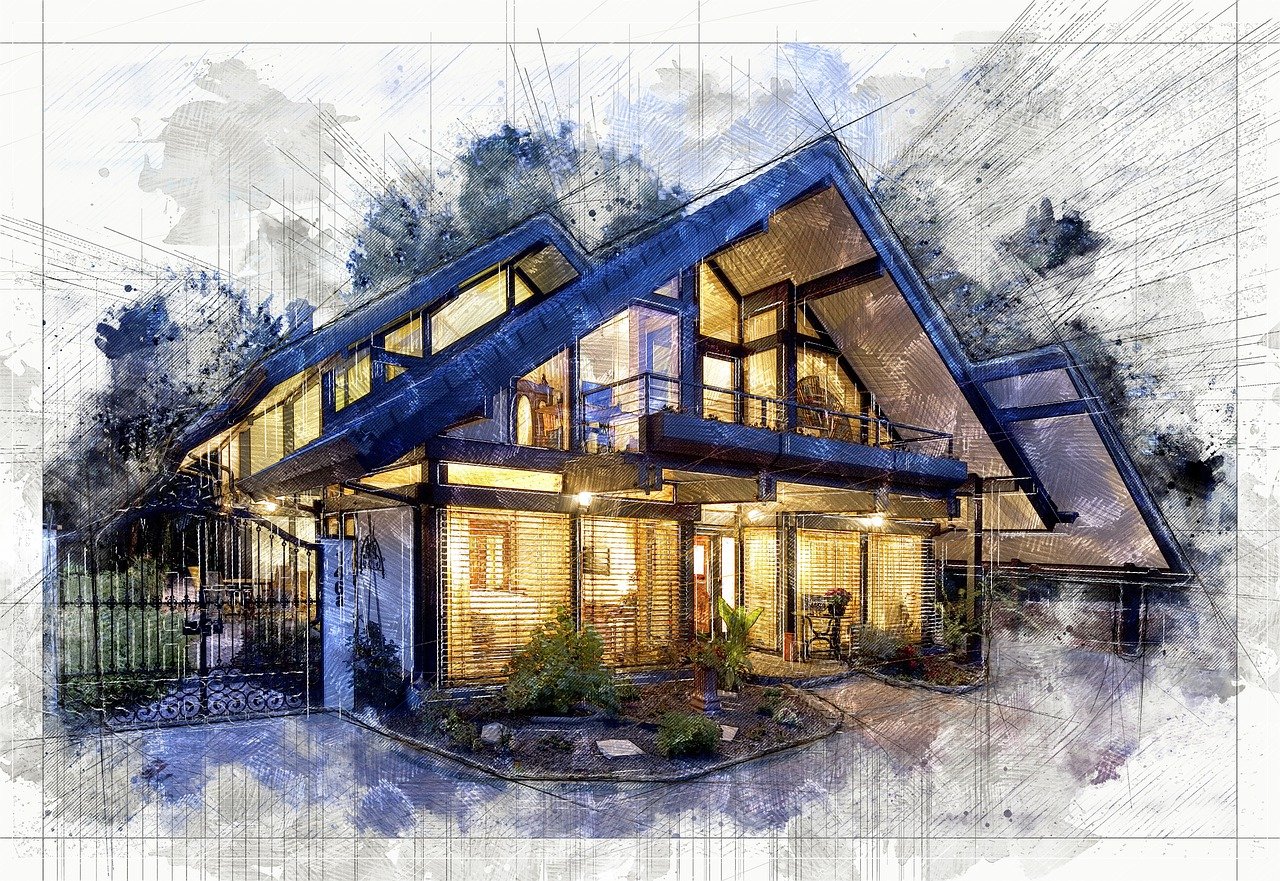
The process of renovating, remodeling, or building a new home is often a tightrope walk between high hopes and high risks. Historically, homeowners have relied on their imagination, small material swatches, and flat 2D blueprints to make monumental, permanent, and expensive decisions.
This gap between the abstract plan and the tangible reality is precisely where the most costly mistakes are born, whether it’s the wrong-sized sofa, the awkward kitchen layout, or the paint color that looks terrible under the actual lighting.
Enter home visualization software. This technology, which encompasses everything from basic 3D modeling tools to full Virtual Reality (VR) environments, has become the modern designer’s and homeowner’s most vital tool. It transforms the entire design process from a high-stakes gamble into a calculated, risk-free rehearsal.
By allowing you to literally “walk through” your finished space before spending a dime on construction, you catch critical errors that would otherwise lead to budget-busting change orders, wasted materials, and the deep regret of a design that just doesn’t work.
Why Visualization Is Critical
In the world of construction and design, mistakes are never cheap. A simple change order, which is a request to alter the plan after construction has begun, can cost anywhere from 5% to 15% of the total project budget, not to mention the added time and stress. These errors often stem from a fundamental inability to visualize the finished space.
It could range from misinterpreting the scale that results in a window that looks massive on a plan but feels tiny in the actual wall, or a hallway that looks adequate on paper but feels like a squeeze in reality.
Another reason is aesthetic mismatches, where a cabinet finish and countertop swatch look great side-by-side on a table, but once installed across a whole kitchen, they clash horribly. Then, there are the functional failures, where the new layout looks logical, but you realize too late that the dishwasher door blocks the main entry point to the pantry.
Home visualization software acts as your virtual insurance policy, flagging these issues while they’re still just pixels, not concrete.
Eliminating Errors in Scale and Proportion
One of the most frequent and most expensive regrets in design involves scale and fit. Whether you’re ordering a custom sectional or installing a massive appliance, the cost of returning or modifying a large item that doesn’t fit is prohibitive.
Home visualization software requires you to input accurate, real-world dimensions for the room, ceiling height, and all planned fixtures. Unlike a hand sketch, the digital model locks in these dimensions, forcing precision from the outset.
You can drop thousands of realistic, dimensionally accurate 3D models of furniture and appliances into the space. The home visualization software instantly reveals spatial conflicts.
You can see with certainty if that dream soaking tub will actually fit through the bathroom door, if the refrigerator door will swing wide enough without hitting the kitchen island, or if the coffee table leaves adequate traffic flow space to navigate the living room. Catching this mistake digitally saves you the headache and expense of ordering, shipping, and attempting to return a bulky item that’s ultimately unusable.
Testing Aesthetics and Materials Risk-Free
The emotional impact of a design is often determined by the interplay of materials, colors, and lighting. Relying on small samples is a recipe for disappointment when those elements are applied to a grand scale.
Visualization tools allow you to apply specific paint colors, which are often linked to real-world brands, flooring finishes, and textures, to the model. This is far superior to a small, isolated swatch.
The home visualization software uses advanced rendering to show how different surfaces and colors react to simulated natural light at various times of day and to different types of artificial lighting. This capability prevents the mistake of choosing a paint color that looks bright and cheerful in the store but turns muddy or cold under your home’s specific orientation and lighting scheme.
You can quickly test various aesthetic pairings to confirm that the pattern on your rug complements the grain of your cabinetry or that the metallic finish on your hardware doesn’t clash with the undertones of your marble. Making these digital adjustments takes minutes, while correcting them in a physical build takes thousands of dollars and weeks of time.
Optimizing Layout, Flow, and Functionality
A house must function for the people who live in it. A design that looks beautiful on paper but is impractical to live in is a functional failure. Visualization shifts the focus from simple beauty to utility and ergonomics.
Using VR home design tools, you can experience the space at a 1:1 scale, allowing you to feel if the kitchen work triangle is efficient, if the primary bedroom feels spacious, or if a particular corner is too cramped. This reveals ergonomic issues that static plans miss.
If the visualization reveals that moving a doorway or widening a corridor significantly improves flow, the alteration is a simple digital edit. If this functional issue were to surface after framing was completed, it would trigger a costly structural change order involving moving studs, re-routing wiring, and rescheduling tradespeople. Catching layout flaws early is the biggest source of cost savings.
Improving Communication and Reducing Change Orders
The cornerstone of any successful project is clear communication. When designers, contractors, and homeowners rely on different interpretations of abstract drawings, mistakes and delays are inevitable.
The final 3D model, complete with all materials and lighting specifications, becomes a shared, unambiguous document. It leaves nothing to the imagination. The contractor sees exactly where the pendant lights hang, the plumber sees the exact wall location for the fixture rough-in, and the homeowner knows precisely what the result will look like.
By agreeing on the visual outcome up front, you dramatically reduce the need for expensive mid-project change orders. Projects using 3D visualization see significantly lower change-order costs because decisions are locked in with confidence long before materials are procured or crews are scheduled. This efficiency not only saves money but also keeps the project on its planned timeline.
Streamlining Electrical, Plumbing, and Custom Fixtures
Decisions about infrastructure, such as where to place outlets, switches, and rough-ins for plumbing, are permanent and expensive to change once walls are closed.
With virtual furniture placed accurately, you can strategically locate outlets and switches exactly where they’ll be needed. This prevents the mistake of having an outlet blocked by a bookcase or a light switch on the opposite side of the room from the entrance.
The software helps designers confirm that custom features, like built-in shelving, niche dimensions, or intricate trim work, are drawn to the exact size and proportion required by the construction team. This eliminates the risk of materials being cut incorrectly or custom pieces needing expensive on-site modification.
Visualize With Certainty Using Immersive Homes
The shift to home visualization software is the greatest safeguard against expensive design mistakes. It replaces guesswork with absolute certainty, ensuring every element, from scale to color, is perfect before construction starts.
Ready to stop worrying about costly change orders? Immersive Homes utilizes industry-leading 3D and VR technology to deliver photorealistic, error-proof blueprints of your future home. Experience your design, minimize risk, and build with complete confidence.