

The dream of building a home is often met with the daunting reality of architectural fees, design fatigue, and the fear of the unknown. For many, the most efficient path to homeownership is not starting with a blank sheet of paper, but rather starting with a foundation of success.
To create your own house effectively, using a proven home plan, which is a set of blueprints that has been vetted, engineered, and successfully constructed by others, is a strategic move that balances customization with predictability.
The Power of the Proven Plan
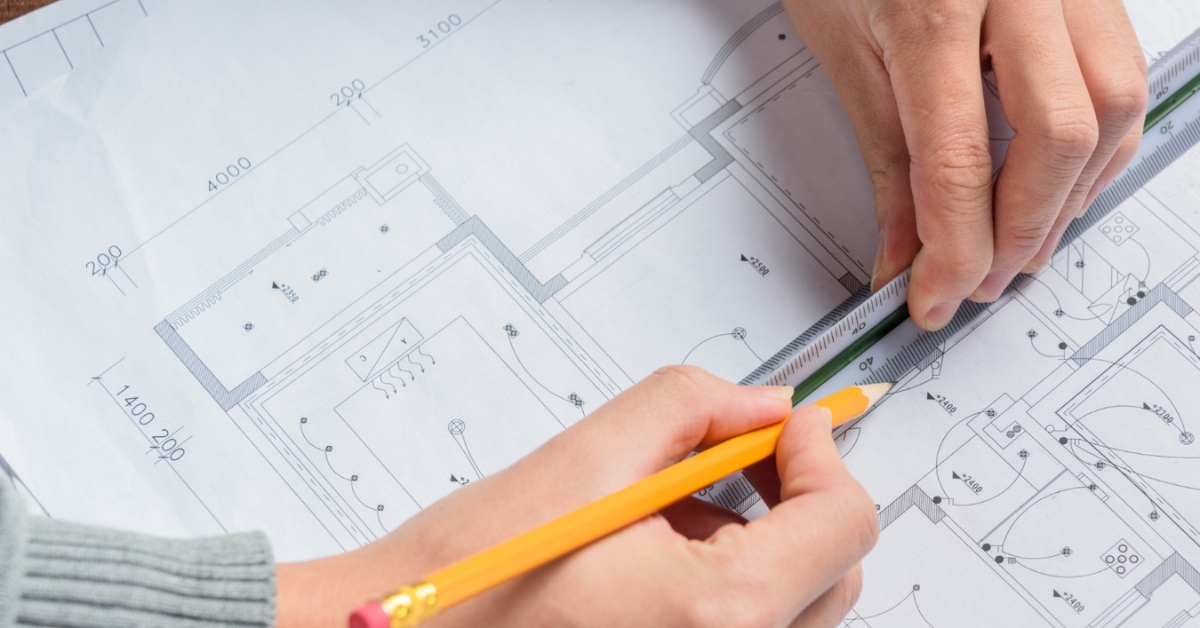
A proven home plan is a refined technical document. Unlike a completely custom design, a stock plan has likely undergone field testing. Builders have already identified where a closet might be too tight or where a structural beam could be placed more efficiently. When you choose a plan with a history, you are essentially buying a solution to problems that someone else has already solved.
Defining Your Core Requirements
The journey to create your own house begins long before you look at blueprints. It starts with an honest assessment of your daily life. Because a home is a functional tool, you must define your must-haves to avoid feature creep, which is the tendency to add expensive, unnecessary rooms that bloat the budget.
Consider your lifestyle needs: Do you require a dedicated home office with soundproofing, or is a tech nook in the kitchen sufficient? If you enjoy entertaining, an open-concept flow between the kitchen and great room is essential.
Furthermore, think about future-proofing. Incorporating aging-in-place features, such as wider hallways, zero-entry showers, or a primary suite on the main floor, ensures the home remains functional for decades, increasing its long-term value.
Finally, your land is the ultimate silent partner in this process. Your lot’s topography dictates the house’s footprint. A narrow urban lot requires a vertical, multi-story design, while a sloped lot offers the perfect opportunity for a walk-out basement, which can nearly double your living space for a fraction of the cost of a larger footprint.
Selecting a Reputable Plan Provider
In the digital age, thousands of designs are available at the click of a button, but quality varies wildly. When searching for a provider to help you create your own house, look for those who offer built photos.
Architectural renderings are beautiful, but they can be deceptive regarding light and scale. Seeing high-resolution 3D renderings of the finished home provided by previous customers allows you to visualize the flow and feel of the space in a way a 2D drawing cannot.
Technical compliance is equally vital. Ensure the plans are designed to meet the International Residential Code (IRC). While these plans are comprehensive, keep in mind that they are not plug-and-play for every location.
You will still need a local structural engineer or your builder to review the plans to account for regional specifics, such as heavy snow loads in the North, high-wind requirements in coastal areas, or seismic reinforcement in earthquake zones.
Making It Yours Without Reinventing the Wheel
One of the greatest misconceptions about stock plans is that they are rigid. In reality, most proven plans serve as a high-quality template. You can create your own house with a unique character by focusing on two levels of modification.
Non-structural changes are the most cost-effective way to personalize. These include selecting high-end finishes, moving interior non-load-bearing walls to resize a pantry, or upgrading the appliance package. These changes alter the aesthetic and utility of the home without requiring expensive re-engineering.
Structural changes involve moving exterior walls, changing roof pitches, or adding a third garage bay. Most plan services offer in-house customization for a flat fee or an hourly rate. This is almost always more affordable than hiring a private architect, as the modification team is already intimately familiar with the original file’s structural logic.
Permitting and Execution
Once you have purchased your plans, the process shifts from the conceptual to the technical. The blueprints are the heart of the project, but they require a surrounding ecosystem of documents to be legal.
First, you will need a professional Site Plan. This document shows exactly how the house sits on your specific piece of land. It accounts for setbacks (the required distance from the property line), utility hookups for water and power, and the grading of the land to ensure water drains away from the foundation.
Next comes the permitting phase. You must submit your plans to the local building department. They review the design to ensure it meets local zoning laws and safety standards. This step is a safety net as it ensures that your proven plan is safe for your specific environment.
Finally, the blueprints become your most powerful tool during the bidding process. When you approach general contractors with a complete set of detailed plans, you receive quotes. Without a detailed plan, contractors are forced to guess, which leads to allowances and contingencies that can cause the price to skyrocket mid-build.
Comparing Your Options
When deciding how to create your own house, it is helpful to understand how the proven plan compares to a fully custom architectural design. The choice usually comes down to three factors, which are cost, time, and predictability.
From a financial perspective, a proven stock plan is significantly more accessible. You can typically purchase a full set of blueprints for between $800 and $3,000. In contrast, hiring a custom architect usually costs between 5% and 15% of the total build cost. On a $400,000 home, that could mean paying $20,000 to $60,000 just for the drawings before a single shovel hits the dirt.
The timeline also differs greatly. A stock plan is available for immediate download, allowing you to move into the permitting and bidding phase within days. A custom design process is a collaborative journey that often takes between three and ten months as you iterate through floor plans, elevations, and material selections.
Finally, there is the element of predictability. Because a stock plan has been built before, the structural surprises are minimized, and the errors have already been caught and corrected. A custom architect provides 100% originality, which is ideal for unique or difficult lots, but it introduces more variables. While a custom home is a one-of-a-kind work of art, a proven plan is a refined, efficient machine.
Build Your Future With Immersive Homes
Choosing the right foundation is the most critical step when you decide to create your own house. While a proven plan provides the technical blueprint, Immersive Homes provides the vision.
Whether you are looking for a compact urban retreat or a spacious family estate, Immersive Homes delivers the professional-grade clarity you need to turn a conceptual dream into a physical reality.

.svg)