

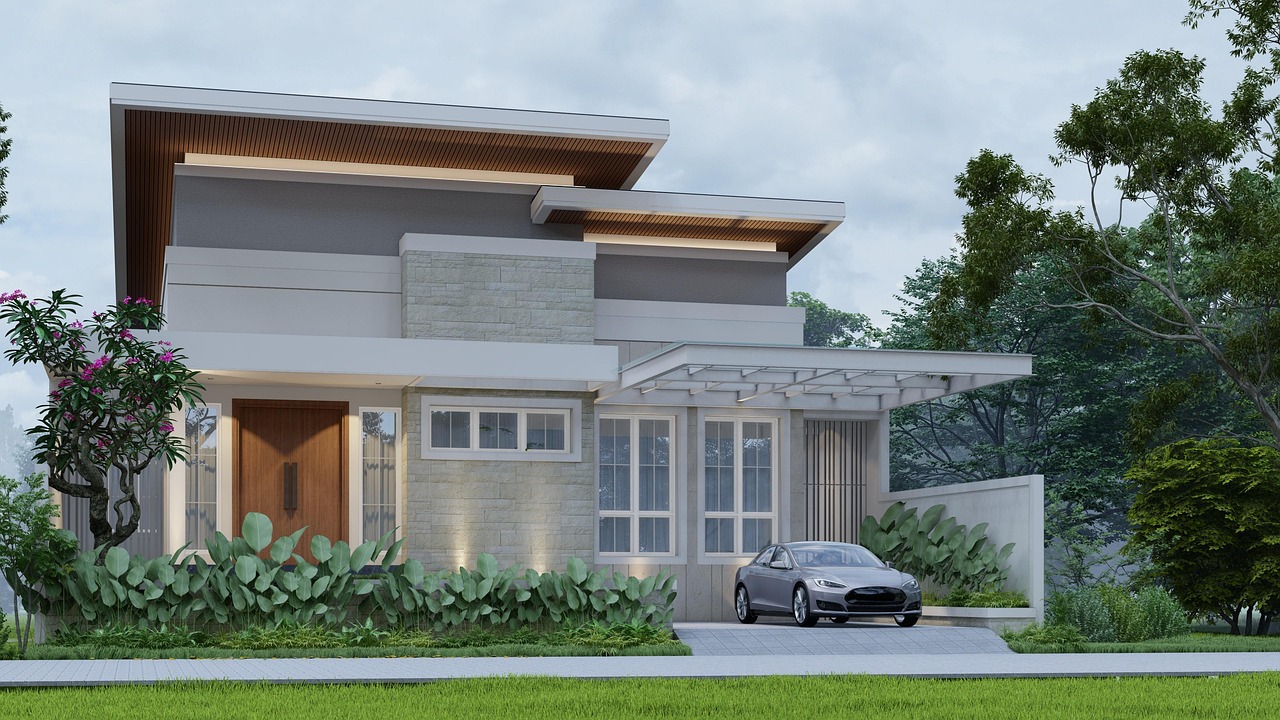
The home design landscape has been revolutionized, trading in cumbersome site visits and confusing blueprints for the convenience and clarity of the digital realm.
If you’re starting a renovation, remodel, or new build, your journey will likely begin with a VR home design session. This initial meeting is the cornerstone of the modern design process. It’s a deep, conversational dive that replaces guesswork with strategy, establishing the essential framework for bringing your vision to life.
While the design itself will eventually be rendered in dazzling 3D models and photorealistic walkthroughs, this first session is less about immediate visualization and more about crucial discovery and dialogue. It’s the time your designer truly becomes your partner, translating abstract desires and functional requirements into a concrete plan.
The Pre-Consultation Phase
The effectiveness of your first VR home design meeting hinges almost entirely on the preparation you complete beforehand. Think of the pre-consultation phase as the crucial time when you gather and organize the raw data the designer needs to begin forming a creative strategy. Most design firms will send you a pre-consultation questionnaire. Make sure you complete it thoroughly, as that’s your most important piece of homework.
Document the Space With Precision
Since the designer can’t physically stand in the room, you become their eyes. Your documentation must be accurate and comprehensive.
Measure the length and width of the room, the ceiling height, and the precise location and dimensions of all permanent features like windows, doors, columns, and built-in fixtures. This information is the bedrock for accurate 2D floor plans and subsequent 3D models.
Take clear, high-quality photos and videos of the entire space from multiple angles. A brief video tour is often the most valuable tool, allowing the designer to understand how the rooms flow together, the direction of natural light, and the context of existing architectural elements.
Define Your Vision and Lifestyle
A great designer doesn’t just create a beautiful space. Instead, they create a space that functions perfectly for you. You need to provide a lifestyle brief that goes into a lot of detail.
Detail how you and your family actually use the space. Are you designing a kitchen that accommodates two serious cooks, or a high-traffic mudroom for kids and pets? Is your living room primarily for quiet reading or for large social gatherings?
Create a shared digital mood board with images of rooms, furniture, materials, and colors that resonate with you, and, critically, images of things you dislike. This gives the designer a clear visual language and helps them confirm your aesthetic style.
Establish Project Parameters
Financial and temporal transparency is essential to ensure the designer proposes feasible solutions and to prevent wasted time on ideas that fall outside their capabilities.
Determine a realistic total project budget, specifying what it must cover, such as design fees, materials, furniture, and construction and installation costs. Be honest, because an experienced designer can offer creative, high-impact solutions within constraints, but they can’t work their magic without clarity.
Discuss your desired project timeline, such as the project being ready for construction in six weeks or finished by the holidays. This helps the designer schedule their workflow and manage your expectations.
The VR Home Design Session Itself
Once prepared, you’ll connect with your designer for the core session, typically lasting between 60 and 90 minutes. This is a two-way conversation that balances listening with guidance.
Review and Walkthrough
The meeting will start with introductions and a quick review of the materials you submitted. Using your phone or tablet camera, you’ll give the designer a live VR home design walkthrough. This allows them to ask targeted questions about details missed in photos, such as the exact color of the existing trim or the wear pattern on the current flooring.
The designer will recap your main objectives and budget constraints, ensuring both parties are starting from the same agreed-upon foundation.
The Deep Dive
This is the most crucial part of the session, where the designer employs their expertise to uncover your unspoken needs and preferences. They’re listening to how you live, not just your aesthetics.
Expect probing questions about your daily routine, such as where you need accessible storage, how many people gather in the space, and any specific requirements.
The designer will use your inspiration board to discuss scale, texture, and emotional response. They’ll ask questions such as, “Are these the clean lines or the cozy textures you like most in this photo?” This helps them distill a coherent aesthetic from a collection of diverse images.
Be candid about what you dislike about the current space. Is the layout awkward? Is the lighting too harsh? These pain points become the key problems the new design must solve.
Strategy and Next Steps
Toward the end of the session, the designer will pivot from discovery to outlining the strategy. While they won’t present a final design, an experienced designer may offer a few high-level, real-time suggestions for potential layout changes or a foundational color palette. These are conceptual ideas meant to confirm the path forward.
The designer will clearly outline their process moving forward, which includes the first phase, where you’ll receive the next materials, such as the schematic design. They’ll also share the turnaround time for the first round of concepts and revisions.
Following the consultation, you will receive a formal design proposal or scope of work. This document formalizes the entire engagement, detailing the design fee, the specific deliverables, and the terms of the working relationship. Approval of this document officially kicks off the design phase.
Experience Your Vision
Your first VR home design session is your opportunity to move from scattered ideas to a focused, actionable plan. By preparing thoroughly, you ensure your designer can use the latest digital tools to capture your true vision.
Immersive Homes integrates this preparatory depth with cutting-edge virtual reality technology to eliminate guesswork entirely. We turn your lifestyle brief and measurements into a fully interactive digital model, guaranteeing precision and confidence from your very first walkthrough to the final build. Design smarter, not harder.