

Building a custom home sounds exciting until you start reviewing the cost estimates. One quote may seem reasonable at first, then another comes in much higher, making it hard to know the real cost.
Understandably, you may assume square footage is the main factor, but it is only one piece of the puzzle. The cost to build a custom home depends on everything from your layout and finishes. This includes the condition of your lot, construction methods, labor, and local building standards. Here, we’ll break down the key factors behind custom home pricing so you can make informed decisions at every stage of construction.
The Size and Layout of Your Home
A larger home requires more framing, roofing, flooring, wiring, plumbing, and finishing work, costing you more money. However, it is important to understand that two homes with the same square footage can still have different price tags. This usually depends on how that space is designed and used.
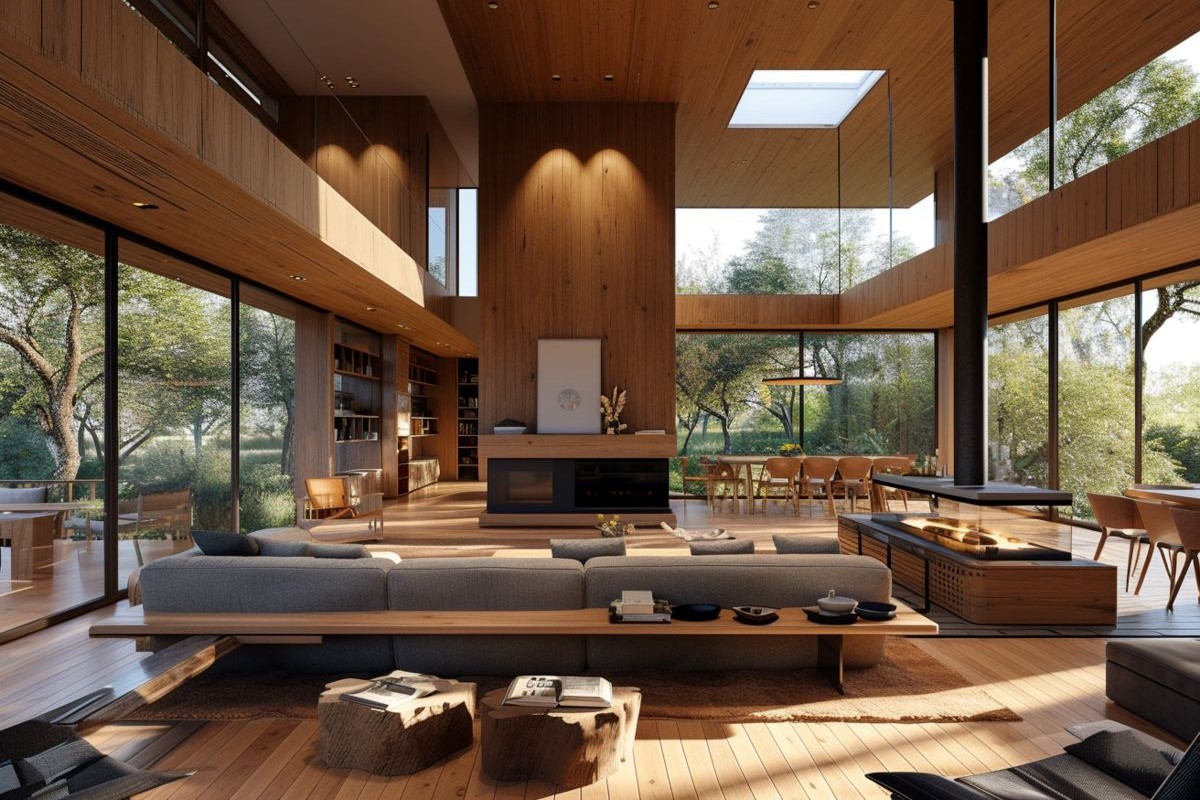
For instance, a simple rectangular home with an open floor plan is more affordable to build than one with multiple rooms. And in case you want custom features like extra bathrooms, ceiling-to-floor windows, walk-in closets, and vaulted ceilings, the price increases further.
Site Preparation and Land Conditions
Before construction begins, your land has to be ready to support the home. Site preparation can include clearing trees, grading uneven terrain, removing debris, or improving drainage. You may also bring in fill dirt to create a stable building surface.
If the lot has poor soil, slope issues, large rocks, or limited access for equipment, the work becomes more complicated. For example, an unstable soil may need to be reinforced before a foundation can be poured. A sloped lot may require retaining walls or drainage solutions to prevent future structural or water issues.
The more work your land needs before building can begin, the more your construction costs are likely to increase.
Building Materials
The type of material used can make a noticeable difference in your budget. This includes all key items from framing and roof to the insulation, windows, exterior finishes, and interior surfaces.
Several factors influence the cost of building materials. It can vary based on market conditions, availability, transportation costs, and structural design. For instance, you’ll likely spend more if you choose steel framing instead of timber or install a standing seam metal roof instead of asphalt shingles.
Some options, such as brick exteriors or stone finishes, may cost more upfront but are more durable and energy efficient. On the other hand, materials like vinyl siding and basic aluminum windows may be budget-friendly but may not offer the same qualities.
That means the choice of material is fully dependent on what you want to achieve, both in the short term and long term. This influences the initial cost and home maintenance.
Interior and Exterior Finishes
Home customization doesn’t end with framing. The final look and feel of your home is usually determined by the type of finishes you select. You have the option to choose between simple, cost-effective options, mid-range premium selections, or fully custom luxury finishes. Every choice you make affects both the materials used and the labor required to install them.
High-end finishes, such as hardwood floors, natural stone countertops, custom cabinetry, designer lighting, and premium tile, cost more than standard alternatives. For example, a marble countertop can be five to ten times the cost of laminate. When it comes to floor finishing, hardwood floors can cost three to four times more than vinyl or laminate flooring.
On the exterior, options like brick veneer, natural stone cladding, or fiber cement siding are more expensive than vinyl or basic plaster finishes. However, the higher upfront cost is justified, since they not only enhance the home’s visual appeal, but also its value.
Labor Costs
Labor costs vary depending on location, material used, home design, and skill level. Skilled trades such as electricians and plumbers often charge more than general laborers since their work requires expertise and precision. Installing custom cabinetry, for instance, demands specialized tools and skills compared to standard installations, increasing labor expenses.
Regional factors can further influence labor pricing. Urban areas with high demand for construction professionals often see higher wages. On the other hand, remote locations may incur extra costs for bringing in specialized crews or equipment. Additionally, labor rates can fluctuate with market conditions, such as shortages of skilled workers or spikes in construction demand.
Construction Timeline
The longer a project takes, the more you may spend on labor, equipment rental, site supervision, and even temporary utilities.
The timeline can be affected by a variety of factors, some of which are outside your control. These include weather interruptions, permit approvals, material shortages, and design changes during construction. Even seemingly small decisions, like ordering specialty windows, can take weeks to fabricate, delaying your schedules.
Now, just imagine what will happen if you were building multi-level homes with complex architectural features. The site preparation alone can add significant time, not to mention the finishing work. For example, a single modern home design with large open spaces requires careful framing and inspections, which can take several weeks or even months.
Take Control of Your Custom Home Budget Today
Unlike homes with standard features, building a custom home requires extensive planning to match your unique preferences. If you don’t have a construction management plan in place, you may end up overspending on unexpected costs. This may force you to compromise on the core features that matter most to you.
At Immersive Homes, we are a team of experienced professionals, specializing in building prefab homes. From ground preparation to finishing touches, we comply with local construction codes to ensure safety and quality standards. We also provide budget planning and advice, offering options that suit your needs. If you are looking to create a cost-efficient modular home, feel free to schedule your consultation. Our experts are ready to turn your vision into reality.