

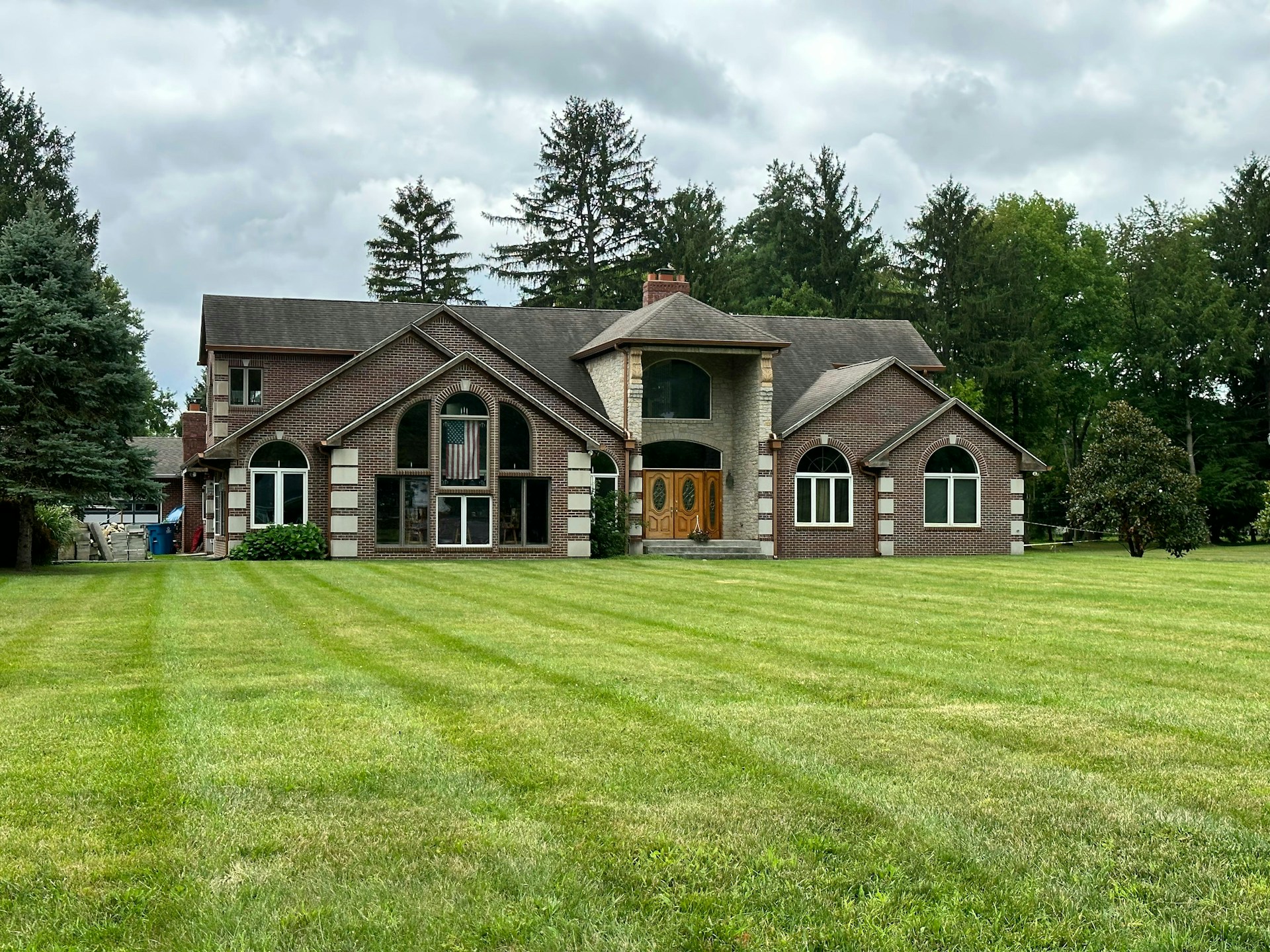
Not all quick move-in homes are the same, and the difference matters more than most buyers realize before they start looking. The category gets treated as a single product, as nearly finished new construction, available fast. In practice, there are two fundamentally different versions. One comes from production builders. The other comes from custom builders. What you get, what you give up, and what the experience of buying and living in the home feels like are meaningfully different depending on which type you are considering.
What Quick Move-In Homes Are
Before the comparison, it’s important to have a baseline. Quick move-in homes are newly built or near-complete residences available without a full custom build timeline. They sit on permanent foundations, carry new construction warranties, and deliver the structural and mechanical advantages of a brand-new home.
The defining feature is speed. Buyers typically close within thirty to ninety days rather than waiting six to twelve months for a custom build. That speed comes from the builder having already made most of the major decisions before a buyer enters the picture. What those decisions were, and how well they were made, is the core question that separates the two builder types.
How Production Builder Quick Move-In Homes Work
Production builders operate at scale, and their quick move-in homes reflect that. Floor plans come from a standardized library and are repeated across multiple homes within the same development. Materials and finish packages are selected for volume purchasing efficiency. Upgrades are available, but the base product is built to a cost target rather than a design standard.
The buyer’s role in a production quick move-in purchase is primarily selection from a defined menu. You may choose a countertop color from three options, or a flooring material from a short list. The floor plan, ceiling heights, structural system, and overall design direction are fixed and uniform across the development.
This model serves a real market. Buyers who prioritize speed and price consistency over design distinctiveness get a predictable product with reliable quality control. The trade-off is transparency, and the home will look like its neighbors because it was designed to. That is the production model working as intended.
How Custom Builder Quick Move-In Homes Work
A custom builder offering quick move-in homes has built a home to their own design and structural standards rather than a buyer’s specific order. The critical difference is that those standards reflect genuine architectural intention rather than volume efficiency.
Floor plans in this category are purpose-designed. They carry a specific aesthetic identity, where the ceiling heights are a deliberate choice, the window placement is considered, and the material palette reflects a coherent design vision rather than a cost-driven selection. The home was built the way the builder builds every home. The only difference from a full custom build is that the buyer did not direct the design from the beginning.
For buyers who find a listing that fits their life, this is a meaningful advantage. The design work has been done, and done well. What remains is a resolved, well-built home on a short timeline. Additionally, because the home often exists in a near-finished state, buyers can walk through the actual space before committing. That removes the uncertainty that comes with making decisions from a floor plan and a sample board.
What Changes and What Does Not
Understanding the specific trade-offs helps buyers approach the purchase with clear expectations.
What You Gain
Speed is the headline. Closing within sixty days rather than waiting a year is a significant life-quality benefit for buyers under timeline pressure. Beyond that, the finished or near-finished state of the home means no design decision fatigue. The hundreds of selections that consume months of mental energy in a custom build have already been made. You evaluate the result rather than directing the process.
The ability to see and experience the actual home before buying is also underrated. In a full custom build, you are committing to a set of drawings and material samples. In a quick move-in purchase, you can stand in the kitchen, look out the windows, and assess how the home actually feels.
What You Give Up
Floor plan flexibility is gone since the layout is fixed. Buyers with specific room configuration requirements need to verify that those details match the listing rather than expecting to direct them. The same applies to structural features. Ceiling heights, window sizing, and built-in elements are as built. If these details are important to you, evaluate them on the listing, not on hope.
The finish selections are largely closed as well. Some custom builders allow limited personalization in the final stages of construction, such as paint color or hardware finish. Most do not allow changes to cabinetry, flooring, or countertops once the build is at the quick move-in stage.
What Stays the Same
Structural quality, warranty coverage, and the financing process are unchanged. Buying quick move-in homes from a custom builder is still a new construction purchase in every legal and financial sense. Construction loans, standard mortgages, inspections, appraisals, and closing procedures all apply exactly as they would for any new build. The builder relationship also continues after closing. Warranty claims, service issues, and post-move questions go to the same team that built the home.
See the Difference for Yourself
The distinction between production and custom quick move-in homes is clearest when you can compare specific examples. Specifications and marketing language tell part of the story. Walking through the homes tells the rest.
At Immersive Homes, our quick move-in listings are built to the same steel-frame standard, ceiling heights, and finish quality as our full custom homes. The speed is different. The product is not.
Ready to see the listings? Contact the Immersive Homes team and let us walk you through what is available.

.svg)