

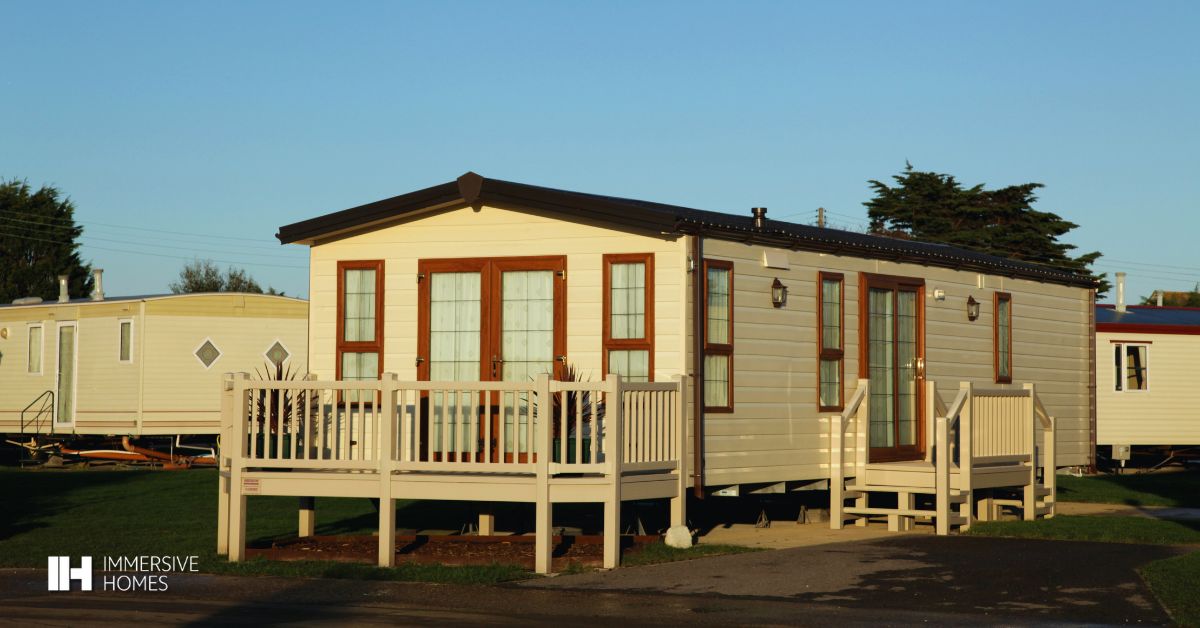
What Are House Plans for Elevated Homes?
House plans for elevated homes are architectural designs that position the main structure above grade, supported by piers, pilings, or raised foundations. This approach protects the home from water damage and improves ventilation under the structure.
These plans typically include:
- Elevated living floors
- Structural support systems like piers or crawlspaces
- Access points such as stairs or lifts
- Optional lower-level storage or parking
They are ideal for homeowners building in flood-prone, sloped, or moisture-sensitive areas.
Why are elevated home plans important in flood-prone areas?
Elevated home plans reduce the risk of water damage by lifting the main living space above potential flood levels. This design helps protect both the structure and belongings, especially in coastal or low-lying regions.
What types of foundations are used for elevated homes?
Common foundations include piers, pilings, and crawlspaces, each designed to support the structure while allowing airflow underneath. The choice depends on soil conditions, elevation requirements, and local building codes.
Can elevated homes include parking or storage underneath?
Yes, many elevated home designs incorporate open or enclosed space below the main floor for parking, storage, or utility use. However, these areas are typically not used as primary living spaces due to flood safety considerations.
Why Choose an Elevated Home in Michigan?
Michigan presents specific environmental and regulatory factors that make elevation a practical choice.
- Flood and moisture protection: Elevated structures reduce risk from heavy rain, groundwater, and seasonal thawing
- Snow load durability: Raised foundations can be engineered to handle snow accumulation and structural stress
- Frost depth compliance: Elevated systems help address deep frost lines common in Michigan
- Zoning alignment: Many areas require elevation based on floodplain mapping and building codes
What Problems Do Elevated Homes Solve?
Elevated homes directly address common homeowner concerns.
Flood risk
Raising the home reduces exposure to water intrusion and long-term structural damage.
Maintenance concerns
Better airflow under the home helps prevent mold, rot, and material degradation.
Resale value
Homes designed for environmental resilience tend to hold value better in at-risk areas.
Comfort and usability
Modern elevated designs maintain comfort through proper insulation, thoughtful layout, and accessibility features.
Why are elevated homes better for flood-prone areas?
Elevated homes are designed to keep the main living space above potential flood levels, reducing the risk of water damage. This added height helps protect structural components and interior finishes from costly repairs.
How do elevated homes help reduce maintenance issues?
By allowing airflow beneath the structure, elevated homes minimize moisture buildup that can lead to mold, rot, and material deterioration. This design helps extend the lifespan of the home’s foundation and flooring systems.
Do elevated homes have higher resale value?
In areas prone to flooding or environmental risks, elevated homes are often more attractive to buyers. Their built-in resilience can improve long-term value and marketability compared to non-elevated properties.
What Are the Key Features of Elevated Home Plans?
Elevated homes are defined by structural and functional elements that support long-term performance.
Structural systems
Options include piers, pilings, and crawlspaces. The right choice depends on soil, slope, and water exposure.
Access design
Staircases, ramps, or lifts are integrated into the design for safe and convenient entry.
Open layouts
Floor plans often emphasize airflow and natural light, which works well with elevated positioning.
Material selection
Moisture-resistant materials and treated structural components are prioritized.
Ground-level use
The space below the home can be used for parking, storage, or outdoor living areas.
How Much Do House Plans for Elevated Homes Cost?
Costs vary based on design complexity, elevation height, and site conditions.
Plan design cost
Custom plans typically range from a few thousand dollars, depending on size and level of customization.
Construction cost
Elevated homes often cost more than slab builds due to structural requirements, but they may reduce long-term repair and insurance costs.
Key cost factors
- Elevation height and foundation type
- Square footage and layout complexity
- Material choices
- Site preparation and engineering requirements
Michigan-specific considerations
Frost depth, soil stability, and local code compliance can influence both design and construction costs.
How much do elevated house plans typically cost?
Elevated house plan costs vary depending on customization and size, but custom designs usually start in the low thousands and increase with complexity. Pre-designed plans may cost less but offer limited flexibility.
Why are elevated homes more expensive to build?
Elevated homes require specialized foundations, structural reinforcements, and additional engineering, which can increase upfront construction costs. However, they may reduce long-term expenses related to flood damage, maintenance, and insurance.
What factors most affect the cost of an elevated home?
Key cost drivers include elevation height, foundation type, square footage, layout complexity, and material selection. Site-specific factors like soil condition and grading requirements also play a significant role.
How Does the Custom Home Process Work?
Immersive Homes follows a structured five-step process to ensure clarity and efficiency.
Step 1. Consultation and site review
We assess your land, goals, and elevation requirements.
Step 2. Concept development
Initial layouts and elevation strategies are created based on your needs.
Step 3. Design finalization
Plans are refined, engineered, and prepared for approvals.
Step 4. Construction
Our team manages the build, ensuring structural integrity and code compliance.
Step 5. Final walkthrough
We review the finished home with you and prepare for move-in.
Why Trust Immersive Homes for Elevated House Plans?
Immersive Homes focuses on building custom homes that align with environmental conditions and client goals.
Experience
We specialize in custom builds that require structural planning and site-specific design.
Local knowledge
Our team understands Michigan's codes, climate, and land conditions.
Proven approach
We follow a clear process that keeps projects on track from planning to completion.
Client results
Our work is designed for durability, functionality, and long-term value.
Ready to Explore Your Elevated Home Options?
Book a consultation with Immersive Homes to discuss your land, budget, and design goals. We will help you determine the right elevation strategy and create a plan that fits your needs.