

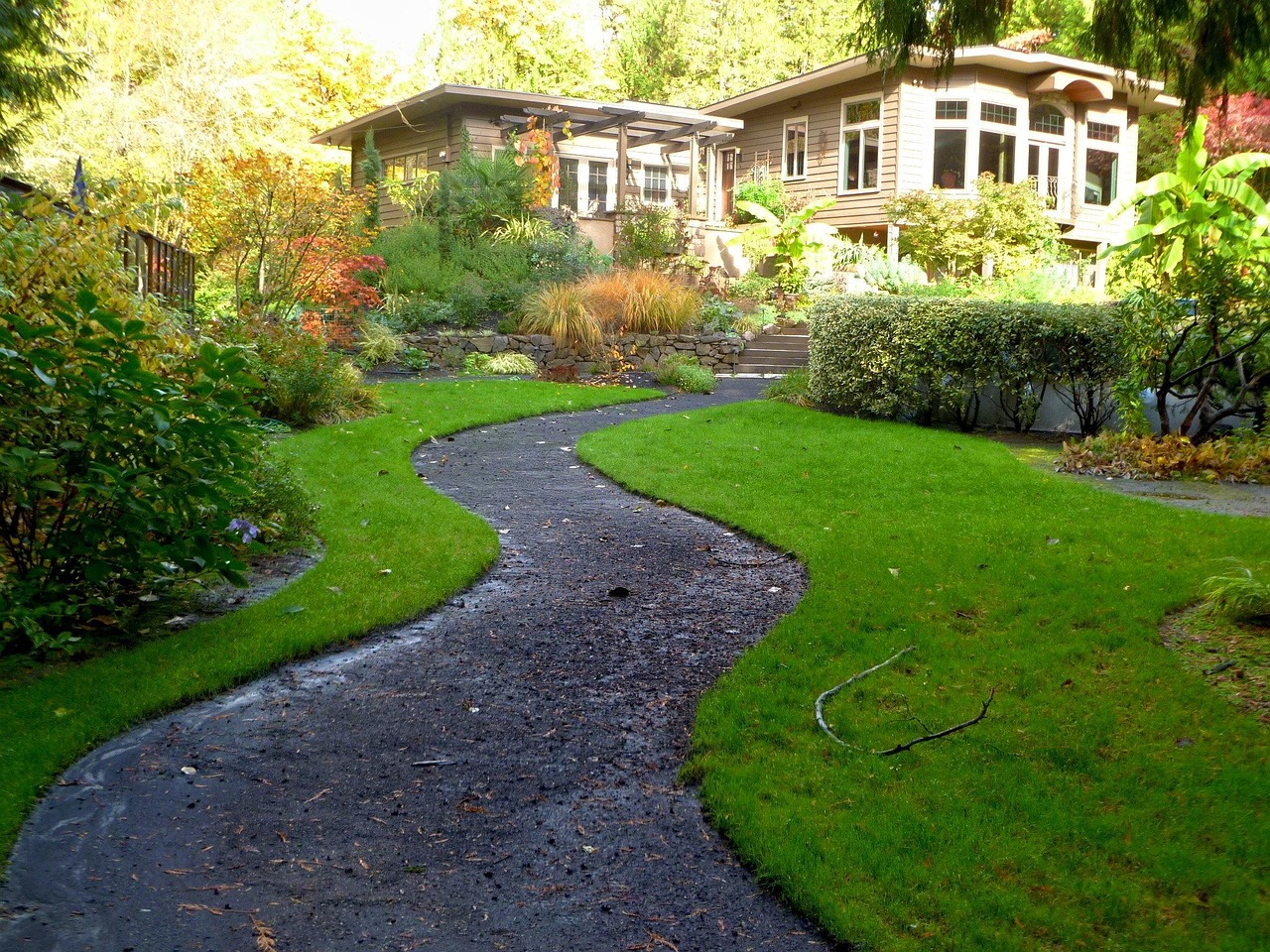
When it comes to home improvement, the exterior of a property is often the most undervalued asset until the moment it is transformed. Many homeowners approach landscaping with a mentality of planning as they go, such as picking up a few perennials at a local nursery or deciding on a patio shape while the contractor is already excavating the dirt. However, the difference between a yard that looks nice and landscape design plans that feel like a cohesive extension of the home lies in the power of visualization.
In the modern era of design, visualization has shifted from a luxury service to a foundational planning tool. By seeing the finished product before the first shovel hits the ground, homeowners and developers can bridge the gap between abstract concepts and functional reality.
Mastering Scale, Proportion, and Spatial Flow
One of the most common mistakes in amateur landscaping is a failure to understand scale. A patio might look large on a 2D blueprint, but once a dining table, a grill, and a fire pit are added, the space can feel cramped and claustrophobic.
Visualization allows you to walk through the space digitally. It provides a sense of volume that a flat drawing cannot. You can see if a pergola is too tall and dwarfs the house, or if a walkway is too narrow for two people to walk side-by-side comfortably.
By placing virtual furniture and structures into a modeled environment, you can test the flow of traffic. Does the path from the kitchen to the outdoor grill feel natural? Is there enough splash zone around the pool? Seeing these details in a 3D space ensures that the final result is as functional as it is beautiful.
The Time-Travel Factor: Growth and Seasonality
Landscaping is a living, breathing investment. Unlike a kitchen remodel, where the cabinets stay the same size for twenty years, a garden is in a constant state of flux. A major challenge in planning is accounting for the future of the landscape design plans.
Professional visualization tools allow planners to simulate plant growth over five, ten, or twenty years. This is crucial for avoiding over-planting, which is a common error where homeowners pack small shrubs together for instant fullness, only to find they have a tangled, overgrown mess three years later.
Furthermore, visualization can show how a deciduous tree will look in the winter when its leaves are gone. Will the privacy screen still hide the neighbor’s garage in January? Visualizing the bones of the garden throughout the seasons ensures the exterior remains attractive year-round.
Material Harmony and Color Theory
The exterior of a home is a complex puzzle of textures such as siding, roofing, stone, wood, mulch, and foliage. In a showroom, a specific paver might look stunning, but when placed against the specific shade of your home’s brick, it might clash or look washed out.
Visualization allows for material swapping with the click of a button. You can compare gray slate against tan flagstone or see how black window trim changes the entire vibe of the house compared to white.
This level of detail helps in achieving curb appeal by ensuring the home and the landscape design plans speak the same design language. It removes the material gamble, giving the homeowner the confidence that the thousands of dollars spent on hardscaping will yield a harmonious look.
Scientific Light and Shadow Modeling
Understanding how the sun moves across your property is vital for both plant health and human comfort. A seating area that seems perfect in the morning might be unbearably hot in the late afternoon.
Advanced visualization software can calculate sun patterns based on the property’s specific coordinates. This allows planners to see exactly where shadows will fall at 4:00 PM in mid-July. This data informs where to plant shade trees, where to place an umbrella, and where to position a vegetable garden that requires eight hours of direct light.
Additionally, it allows for the planning of nightscapes. By visualizing outdoor lighting like uplights on trees, path lights, and bistro strings, you can ensure the yard is safe and atmospheric after the sun goes down, preventing black holes in the dark corners of the property.
Mitigating Financial Risk
In construction, the most expensive words are: “Can we change this?” Once a retaining wall is built or a semi-truck of sod is delivered, changes become prohibitively expensive and time-consuming.
Visualization acts as a form of financial insurance. It allows all stakeholders, including the homeowner, the landscape architect, and the contractor, to align on a single, clear vision. When everyone is looking at the same 3D render, there is less room for miscommunications.
Contractors can provide more accurate quotes because they see the exact complexity of the stone patterns or the specific height of the deck. By identifying potential design flaws during the digital phase, you save thousands in labor costs and material waste.
Managing Topography and Drainage
Not every yard is a flat canvas. Slopes, dips, and uneven terrain present significant engineering challenges. Visualizing the topography of a site helps in planning for drainage and erosion control. Through 3D modeling, designers can see if a slope is too steep for grass and requires a terrace, or if water is likely to pool near the foundation of the house.
By visualizing these structural exterior details, homeowners can address boring but essential unseen elements, like French drains or retaining walls, before they become an emergency during the first heavy rainstorm after the project is completed.
The Psychology of the Sanctuary
Finally, there is the emotional aspect of visualization. Landscaping is often a significant financial investment, and the construction phase can be stressful, messy, and loud. Having a high-quality visual of the end goal serves as a North Star for the homeowner.
It turns a stressful construction project into an exciting countdown. When you can see the sanctuary you are building, such as the way the water will trickle into the pond or how the fire pit will look during a summer party, the muddy mess of the present becomes much easier to tolerate.
Bringing Your Vision to Life With Immersive Homes
Visualizing your outdoor space is the definitive way to ensure your landscape design plans translate perfectly from paper to property. By eliminating guesswork and identifying structural or aesthetic issues early, you protect both your budget and your peace of mind.
At Immersive Homes, we specialize in turning these abstract dreams into hyper-realistic, 3D realities. Our advanced visualization tools allow you to step into your future sanctuary before a single stone is laid. Don’t leave your home’s potential to chance. Let Immersive Homes provide the clarity and confidence you need to build with perfection.