

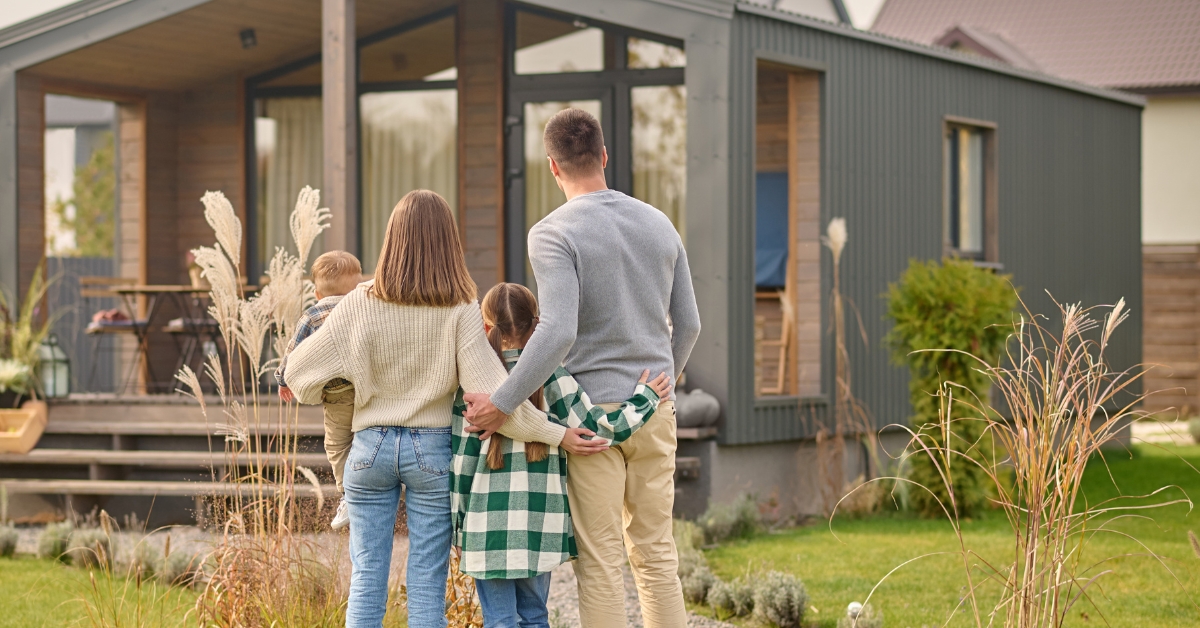
For decades, the concept of the ideal family home was defined by rigid formalities of a closed-off kitchen for the work of the household, a formal dining room reserved for holidays, and a parlor for receiving guests.
However, as the rhythm of daily life has accelerated and the boundaries between work, play, and rest have blurred, the physical blueprint of the family home has undergone a radical transformation. Today, the best building layouts for families are those that prioritize flow, the seamless movement of people and energy through a space, while balancing the competing needs for communal connection and individual sanctuary.
The challenge of modern residential design lies in managing the beautiful chaos of family life. Whether you are building from the ground up or looking to remodel, understanding the psychological and functional impact of different architectural configurations is the first step toward creating a home that truly serves its inhabitants.
The Evolution of the Open Plan
The open concept has dominated residential architecture for over twenty years, predicated on the idea that sightlines should be unobstructed from the front door to the back deck. While this creates an undeniable sense of scale and light, many families have discovered acoustics to be an issue. In a completely open floor plan, the sound of a blender in the kitchen competes with a television in the living area and a Zoom call at the dining table.
The solution in modern family-centric design is zoned open planning. This approach maintains the airy feel of a great room but uses soft architectural boundaries to define specific activities.
Instead of full-height walls, designers are utilizing partial-height pony walls, double-sided fireplaces, or even subtle changes in floor level to compartmentalize the space. This allows a parent to prepare dinner while keeping an eye on a toddler playing with blocks, yet provides enough of a physical barrier to prevent toys from migrating into the formal seating area.
Central to this layout is the kitchen. In a high-functioning family home, the kitchen is no longer a peripheral service room. Placing the kitchen at the literal and figurative center of the layout ensures it acts as a pivot point between the indoor living spaces and the outdoor play areas.
Privacy and Proximity
As children grow into teenagers, the architectural requirements of a family shift from supervision to autonomy. This is where the split-wing layout excels.
By placing the primary suite on one side of the central living area and the secondary bedrooms on the opposite side, the house creates a natural acoustic and psychological buffer. The shared social spaces, the kitchen and living room, act as a neutral territory where the family congregates, while the wings provide private retreats for rest and study.
For those building on smaller urban lots where horizontal expansion isn’t an option, vertical zoning provides a sophisticated alternative. By stacking functions across multiple floors, you can create a hierarchy of privacy.
The ground floor often serves as the utility zone, housing the garage, a mudroom, and perhaps a guest suite or home office. The second floor becomes the social heart, dedicated entirely to the kitchen, dining, and family rooms. Finally, the third floor is reserved as the private retreat for the core family bedrooms.
The L-Shaped Courtyard
Privacy isn’t just about what happens inside the walls but about how the house relates to the world outside. The L-shaped layout is increasingly favored for its ability to create a private world within a standard suburban lot. By wrapping the house around a central corner, the architecture creates a natural, protected courtyard.
This configuration is particularly beneficial for families with young children. The courtyard serves as a high-visibility safe play zone that can be monitored from multiple rooms simultaneously.
Because the L-shape creates a narrower building footprint, it also allows for dual-aspect rooms with spaces with windows on two sides. This floods the home with natural light and allows for cross-ventilation, which has been shown to improve the mood and well-being of the household.
The High-Functioning Details
While the macro-layout defines the shape of the house, the micro-layouts, the small, specialized transition zones, define how the house feels on a Tuesday morning at 7:00 AM.
Perhaps the most essential of these is the mudroom entry. Acting as a decompression zone between the garage and the main living areas, a well-designed mudroom traps the chaos of daily life, such as shoes, wet umbrellas, and heavy backpacks, before they reach the kitchen counter.
Similarly, the walk-through pantry is a logistical game-changer. By connecting the mudroom directly to the kitchen through a large pantry, unloading groceries becomes a streamlined, thirty-second task rather than a multi-trip marathon.
Another growing trend is the pocket office or clutter room. Rather than dedicating a large, formal room to a home office that often becomes a graveyard for paperwork, families are opting for small, glass-enclosed nooks or built-in desks located just off the main living area.
Future-Proofing Through Flexibility
The most common mistake in family home design is building for the present time without accounting for the future. A room designed specifically as a nursery may feel obsolete in five years. The best family layouts incorporate flex rooms, spaces designed with neutral proportions and ample storage that can transition through the stages of life.
A flex room might begin as a playroom, evolve into a dedicated homework lounge, transform into a teenage gaming hub, and eventually become a quiet guest suite for aging parents or a hobby room for empty-nesters. The key to these spaces is loose-fit architecture that ensures there are enough electrical outlets, proper lighting, and a door for privacy, regardless of the room’s current iteration.
Bring Your Vision to Life With Immersive Homes
Selecting the best building layouts for families is a deeply personal journey that requires balancing today’s logistical needs with tomorrow’s growth. At Immersive Homes, we specialize in transforming these structural concepts into living realities. Our expert team combines innovative design with functional precision to build spaces that aren’t just houses, but enduring sanctuaries tailored to your family’s unique rhythm.

.svg)